
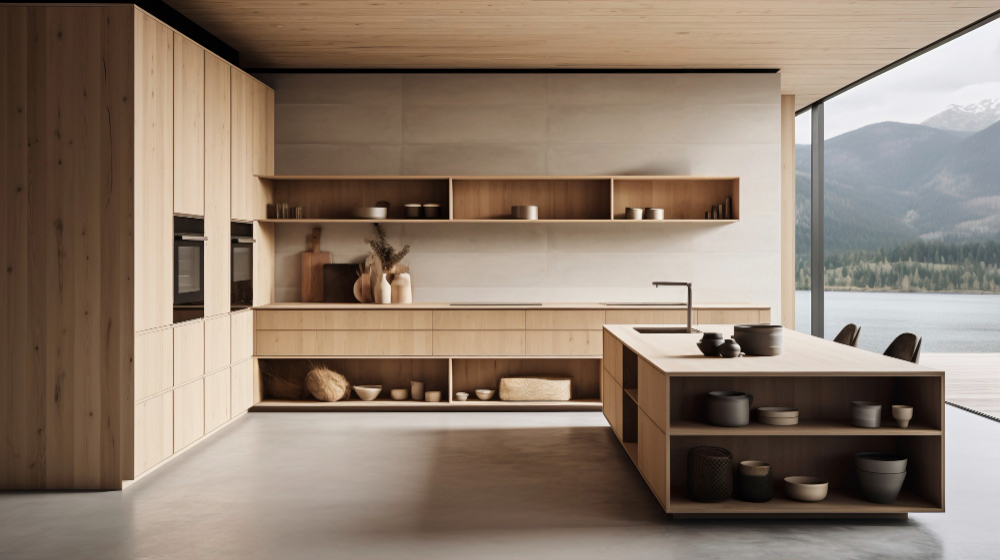
Milk Oak is having a moment — and it’s no surprise. Soft, pale, and subtly grained, it brings a sense of calm and clarity to kitchens, bathrooms, and built-ins alike.
But if you’re wondering whether Milk Oak is right for your space, you’re not alone. Here’s a curated list of the most common questions — and answers — to help you style it with confidence. For broader natural-wood inspiration, the SHINNOKI Series is a great reference point for today’s most refined wood tones.
❓ What is Milk Oak?
Milk Oak is a pale-toned, natural-looking oak finish with a soft matte appearance. It balances creamy warmth with a hint of cool undertone, giving it a modern, Scandinavian-inspired aesthetic.
Think: oak washed in sunlight. It’s not yellow. It’s not gray. It’s just soft.
“Milk Oak is the quiet hero in a room — it lets texture and light do the talking.” – Leanne Ford
❓ Is Milk Oak real wood?
It depends on the product. You’ll find Milk Oak as a finish option in:
-
Prefinished wood veneer panels (like Shinnoki)
-
Engineered wood cabinetry
-
High-quality laminates for modern builds
When sourced well, it looks and feels authentic — and pairs beautifully with natural stone, soft paint tones, or matte black accents. For a deeper look into high-end wood aesthetics, guides such as DREAMLINE Shinnoki: Perfecting the Art of Custom Wood Cabinetry highlight how premium materials elevate modern spaces.
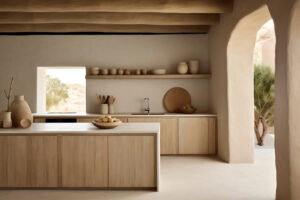
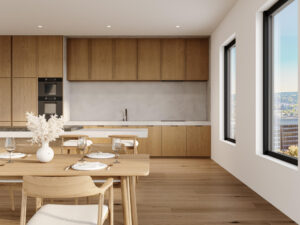
❓ Where does Milk Oak work best?
It’s incredibly versatile. Designers love Milk Oak in:
-
Kitchen cabinets (especially minimalist or Japandi styles)
-
Floating shelves
-
Custom built-ins in living rooms and offices
-
Bathroom vanities paired with stone or concrete
-
Bedroom closets for a calming, airy vibe
It’s also a go-to for open-plan homes where you want continuity across rooms. If you want to see Milk Oak–style tones in real projects, the Kitchen Design Photo Gallery offers helpful visual context.
❓ Is it durable?
Yes — especially if you’re working with a quality prefinished product or sealed veneer. Look for:
-
Scratch- and moisture-resistant coatings
-
Soft-matte finishes that hide fingerprints
-
Quality substrates like plywood or MDF cores
In high-traffic areas, it holds up beautifully and hides everyday wear with grace. For comparison, natural stain durability can be explored through the GENESIS Stain Series, which showcases long-lasting wood finishes.
❓ What colors pair well with Milk Oak?
So many. It’s a neutral chameleon. Try it with:
-
Warm whites and creams
-
Pale sage or olive
-
Stone gray or putty
-
Natural linen and leather
-
Matte black for contrast
It’s a perfect match for tone-on-tone rooms or softly layered palettes. If your palette leans warm, curated inspiration from the Luxury Kitchen Cabinets Design guide can help refine your color and material choices.
❓ Does Milk Oak go out of style?
Not likely. It’s clean, natural, and understated — all timeless design qualities. Unlike trendy stains or bold colors, Milk Oak plays the long game.
It doesn’t demand attention. It creates atmosphere.
❓ Can I mix it with other woods?
Yes, and you should. Mixing woods creates depth and dimension. Try pairing Milk Oak with:
-
Walnut or smoked oak for contrast
-
Natural white oak for tonal layering
-
Charcoal woods in accents or flooring
Keep the grains simple and clean to maintain the calm, modern vibe.
Final Thought
Milk Oak isn’t just a trend — it’s a design tool. It brings warmth without heaviness, structure without boldness, and just the right amount of organic texture. Whether you’re designing a minimalist kitchen, a relaxed living space, or a clean-lined bathroom, Milk Oak is the finish that quietly elevates it all.
“Design doesn’t have to shout to be seen. Milk Oak proves that subtle can be stunning.”