
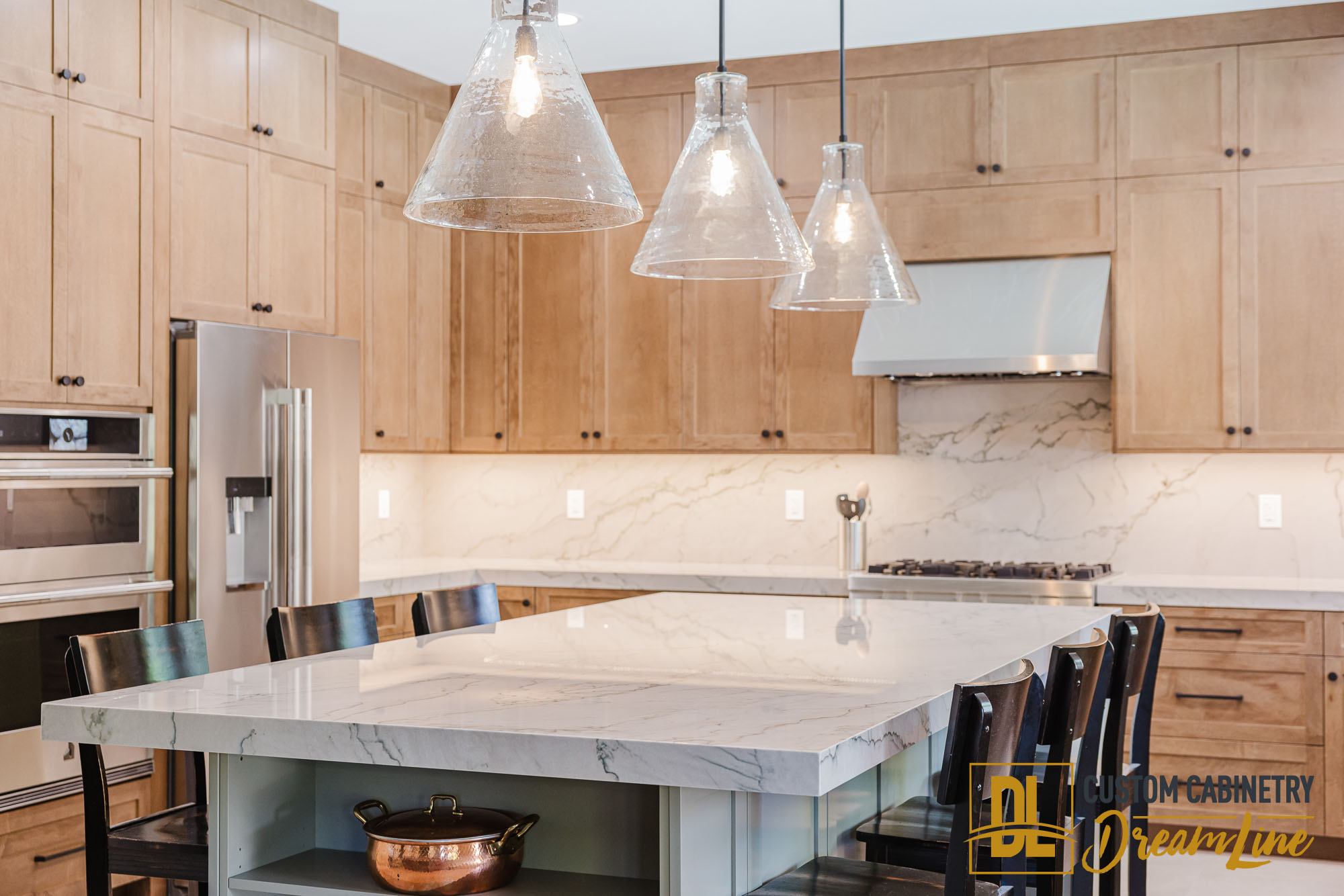
When you hear the term Handcrafted Kitchens, what comes to mind? Rustic charm? Artistic detail? A price tag that makes you sweat?
Let’s be real — handcrafted doesn’t mean “old-fashioned,” and it definitely doesn’t mean “impractical.” In fact, for many designers (myself included), handcrafted kitchens are the epitome of luxury. You just need to know what you’re really getting — and how to make it work for you.
So let’s dig into the questions clients ask me all the time.
❓ What actually makes a kitchen “handcrafted”?
A handcrafted kitchen means the cabinetry, details, and finishes are made by artisans — not machines on an assembly line. You’re getting:
Custom cabinetry (built to order, not stock)
One-of-a-kind finishes or distressing techniques
Personalized layouts and millwork
Joinery done by hand (think dovetails, not dowels)
It’s about quality over quantity — and serious attention to detail. Brands that specialize in premium materials, like the
SEGUE Paint Series,
are often used in handcrafted builds for their refined finish and durability.
❓ Is handcrafted the same as custom?
Not quite. All handcrafted kitchens are custom, but not all custom kitchens are handcrafted.
Custom might mean you get to choose your colors and layouts from a set catalog.
Handcrafted means every piece is designed, shaped, and finished by human hands — no shortcuts.
Think of it like fashion: custom is tailored, but handcrafted is couture. For example, natural veneer options such as the
SHINNOKI Series
are frequently selected for bespoke cabinetry that requires elevated craft.
❓ Are handcrafted kitchens only for traditional homes?
Not even close. That’s one of the biggest misconceptions.
Today’s handcrafted kitchens can be:
Modern and minimal
Industrial with metal inlays
Rustic chic with reclaimed wood
Transitional — the perfect blend of old and new
The beauty of handcrafted is that it bends to your style, not the other way around. You can see this flexibility in curated real projects like the
Luxury Kitchen Remodel in Granite Bay.
❓ How long does a handcrafted kitchen take to build?
Expect:
8–14 weeks for design + fabrication
2–4 weeks for installation
It’s not fast. But when you’re investing in something made just for you, with zero shortcuts, it shouldn’t be.
“Good design isn’t rushed. It’s revealed.” – Alison Victoria
❓ Is it insanely expensive?
Here’s the truth: yes, handcrafted kitchens are a premium investment. But you’re not just paying for looks — you’re paying for:
Materials that last decades
Craftsmanship that holds up under daily use
Design that fits your space perfectly
Features that stock kitchens simply don’t offer
If long-term value is a priority, guides like
The Best Kitchen Cabinets — A Data-Driven Guide
can help you understand which construction methods hold up best over time.
❓ What materials should I expect?
Top handcrafted kitchens use:
Solid hardwoods (oak, walnut, maple)
Hand-selected veneers with bookmatched grain
Natural stone or quartzite countertops
Premium hardware like brass or brushed nickel
Finishes applied in multiple coats by hand
Bonus: many handcrafted lines offer eco-friendly options and sustainable sourcing. High-performance finishes similar to those in
ELEMENTS ECO Acrylic
are also used when clients want a handcrafted look with added durability.
❓ Can I mix handcrafted elements into a standard kitchen?
Absolutely. You don’t need to go all-in to get the look.
Try:
A handcrafted range hood or island as a centerpiece
One wall of custom cabinetry with a matching built-in
Adding hand-finished paneling or floating shelves for warmth
Even one bespoke element can elevate the space.
❓ What’s the biggest benefit?
Easy: emotional connection. You feel it when you walk in.
You’re not living with something that came off a factory belt. You’re living with materials touched by human hands — shaped to fit your life, your habits, your taste.
That’s what makes it luxury.
Final Thought
A handcrafted kitchen isn’t for everyone. It’s for people who care about the process. Who want more than something “good enough.” Who understand that true luxury is made, not mass-produced.
And trust me — once you go handcrafted, there’s no going back.