

A custom kitchen design isn’t just a layout — it’s a tailored solution that reshapes how you live, cook, and entertain. But beautiful renderings and Pinterest boards aside, great kitchen design is rooted in something deeper: data.
From workflow to lighting to storage zones, smart design choices come from understanding how real people use their space — and how a kitchen can work better with the right planning.
Let’s break down the numbers, trends, and proven best practices behind today’s most effective custom kitchens.
1. Function First: Layouts That Work
According to a recent NKBA study, 63% of homeowners say the layout is their top priority in a kitchen remodel. And the best custom kitchens reflect that with intentional planning.
Most Efficient Layouts (by homeowner satisfaction):
-
L-shaped with island: 38%
-
U-shaped: 25%
-
Galley: 18%
-
Single wall: 9%
💡 Takeaway:
Custom design allows you to optimize traffic flow, storage placement, and appliance zoning — something stock plans just can’t do. It’s not about choosing a layout that’s trendy. It’s about choosing what fits your space and how you move in it.
High-end layouts often rely on consistent, dimensionally precise materials like the
SHINNOKI Series
to maintain clean lines across custom configurations.
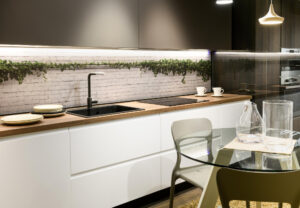
2. Storage: Hidden, Layered, and Smart
Clutter-free kitchens aren’t a fad — they’re a function of better design.
In a Houzz kitchen trends survey:
-
96% of homeowners said storage was a top priority
-
63% added or upgraded cabinets
-
52% included deep drawers and pull-outs
Smart Custom Storage Ideas Include:
-
Appliance garages
-
Full-height pantry pullouts
-
Toe-kick drawers
-
Tray and spice organizers
-
Integrated recycling centers
💡 Takeaway:
Custom cabinetry lets you use every inch — including under sinks, corners, and ceilings — without clunky add-ons.
Painted systems such as the
SEGUE Paint Series
are frequently specified in these designs because they allow for seamless, built-in storage solutions.
3. Lighting: Layered Is Best
Lighting is often overlooked, but custom kitchen design bakes it into the plan.
Experts recommend a three-layer system:
-
Ambient: Recessed or ceiling fixtures
-
Task: Undercabinet or pendant lighting
-
Accent: Interior cabinet lighting or toe-kick LEDs
🧠 Stat:
Homes with layered lighting see higher resale value, and 83% of real estate professionals say updated kitchen lighting strongly appeals to buyers.
💡 Takeaway:
With custom design, lighting becomes part of the architecture — not an afterthought.
Modern cabinetry finishes like the
ELEMENTS ECO Acrylic Series
often benefit most from layered lighting, which enhances depth and reflectivity without glare.
4. Appliance Integration
With more high-performance appliances available, design must adjust.
Current trends show:
-
58% of new custom kitchens include panel-ready appliances
-
41% integrate secondary appliances (wine fridges, drawer microwaves)
-
Custom hoods and built-in coffee systems are growing fast
💡 Takeaway:
Custom design accommodates appliance specs before cabinetry is built — ensuring a seamless, flush look and proper ventilation zones.
You can see this approach executed beautifully in projects like the
Luxury Kitchen Remodel in Granite Bay.

5. What Increases Value Most?
If resale is part of your decision, consider this:
According to Remodeling Magazine’s Cost vs. Value Report:
-
A major kitchen remodel (midrange) recoups 41–56% of its cost
-
Upscale remodels with cohesive custom cabinetry boost buyer confidence and perceived value
💡 Takeaway:
You don’t have to go ultra-luxury — but a well-designed, tailored kitchen is a major long-term asset.
Working with a team like
DreamLine Custom Cabinetry
helps ensure that design decisions are grounded in both data and craftsmanship.
Final Thought
Custom kitchen design isn’t just about style — it’s about using data, smart planning, and quality materials to create a space that works beautifully and lasts for years.
When done right, every drawer has a purpose. Every line feels intentional. And every inch of your kitchen reflects the way you live — not the way someone else thinks you should.