
There’s something about the smell of wood when it’s first cut — clean, earthy, sharp — that always takes me back to the first shop I ever worked in. No matter how advanced our tools get, that feeling stays the same. And few materials bring it out like Master Oak.
It’s not just another panel. It’s the kind of product that makes you stop and run your hand across the surface. Subtle, strong, honest. And if you’ve ever worked with natural oak — the real stuff — you know how much that means.
This is a story about building something with care. About materials that respect tradition without getting stuck in it. And about why, when the job matters, Master Oak is a name that holds up.
The First Impression
The first time I used Master Oak panels, I was skeptical. I’d heard they were engineered — which usually means “easier to work with” but not always “better.” But from the moment I unwrapped the first sheet, I noticed three things:
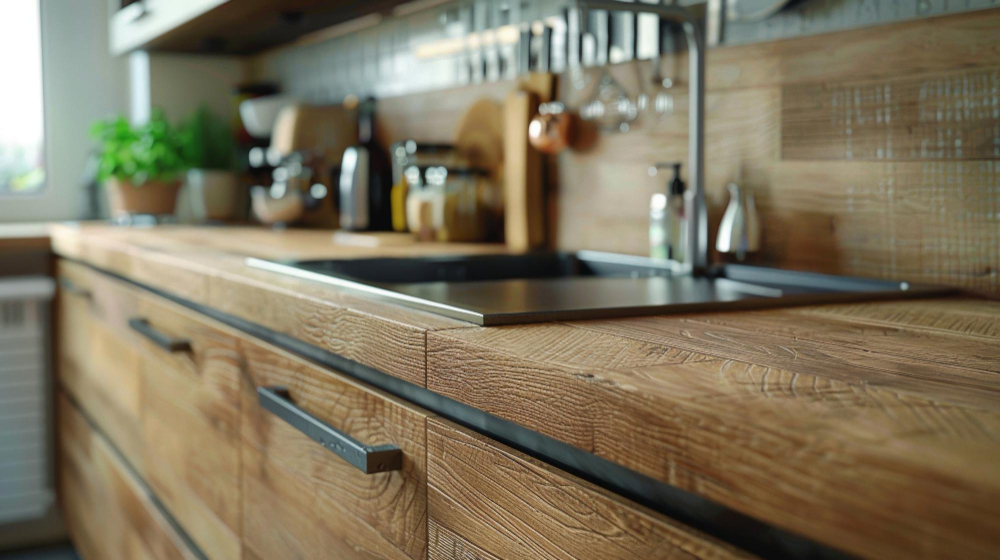
The grain looked authentic, not printed or overly uniform
The color tone was warm, with depth, not just surface-level texture
The panels felt dense and stable, without the brittleness you sometimes get from lower-grade cores
That balance of authenticity and consistency is what draws many designers to refined wood solutions like the
SHINNOKI Series,
where real wood veneer is engineered to perform without losing its soul.
This wasn’t oak trying to be something it’s not. This was engineered oak done right.

The Build
We were working on a custom media wall for a client who wanted something “classic, but not old-fashioned.” Master Oak hit that middle ground perfectly.
The panels cut cleanly — no edge chipping, no flaking. Routing out the cable channels was easy, and the surface didn’t splinter or bubble under pressure. That alone saved hours of sanding and repair work.
But the real win? The matching grain pattern across large sections. It gave the final install a sense of continuity that felt high-end, even though we were working on a budget-conscious timeline.
This kind of precision is also why modern slab and painted systems — like the
SEGUE Paint Series —
benefit so much from engineered consistency.
The client didn’t say, “Nice paneling.”
They said, “This looks like it was always here.” That’s the goal.
The Quiet Details
Master Oak isn’t flashy. It doesn’t try to steal the spotlight. What it does is bring quiet richness to a space.
Whether we used it on vertical panels, cabinet fronts, or trim work, it held its own. The finish was soft to the touch — not waxy, not chalky. And the color tone worked well with both brushed metal and black hardware, which is a big plus when designing transitional spaces.
That same understated refinement is what makes finishes like the
ELEMENTS ECO Acrylic Series
so effective in modern interiors — they support the design instead of overpowering it.
Long-Term Value
I always tell clients — and newer builders — the same thing: materials don’t just need to look good on install day. They need to wear in well, not wear out.
Master Oak has that promise built into it. It resists fingerprints, scratches, and sun fade better than many other prefinished panels I’ve used. That means fewer call-backs and more satisfied clients months (and years) later.
You can see this philosophy in action in projects like the
Showstopper Kitchen Remodel in El Macero, CA,
where material choice plays a major role in long-term satisfaction.
Final Thought
Working with Master Oak reminded me of why I fell in love with woodworking in the first place. It’s a material that respects the craft. It behaves well under pressure, holds its shape, and doesn’t need to scream to be noticed.
If you’re designing or building with the goal of creating something lasting — something that looks like it belongs — you’ll want to reach for this one.
Because in the end, it’s not about what you build. It’s about how it feels to live with it.
And when craftsmanship matters, teams like DreamLine Custom Cabinetry understand that the details are where quality lives.