
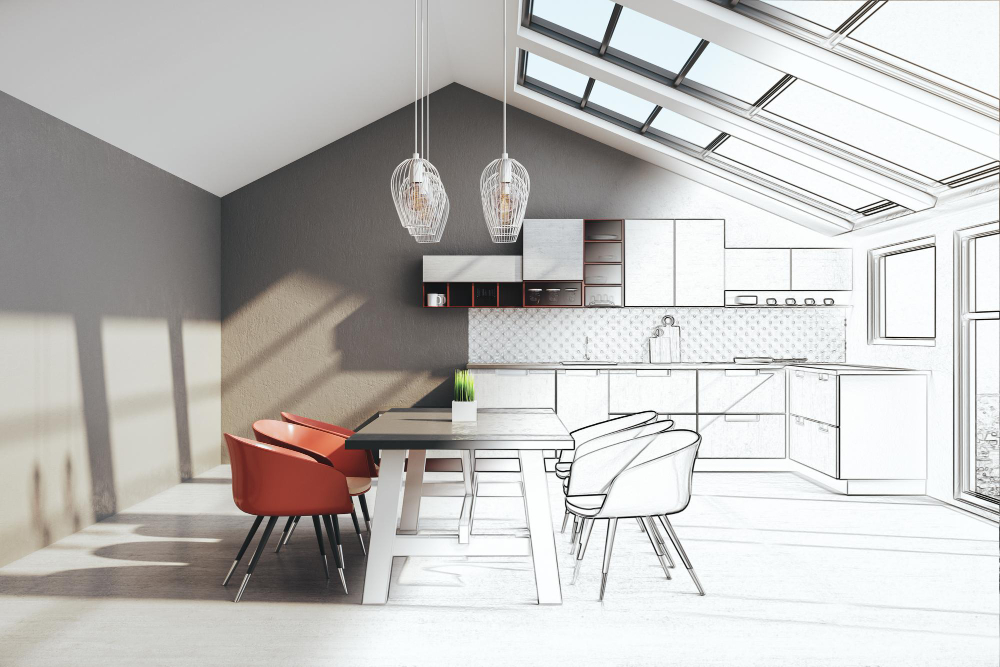
Let’s be honest — when you hear “Precision Design Source,” it might sound like something you’d read in an architect’s spec sheet. But don’t let the name fool you.
In real-world remodeling, this phrase stands for something essential: getting the right design, with the right materials, measured and built to fit — down to the millimeter. And when it’s done well, everything else in your remodel just works.
If you’ve ever opened a cabinet door that hit the fridge, or lived with drawers that didn’t fully open, you already know why this matters.
What Is a Precision Design Source?
At its core, it’s not just a product or a tool. It’s a process.
A precision design source gives you:
A full, professionally measured layout
Material selections that fit your space
Accurate renderings or shop drawings
Specs that leave zero guesswork for builders or installers
Think of it as the master plan that makes sure your dream kitchen (or closet or bath) doesn’t just look good — but functions perfectly too.
This level of planning is especially important when working with refined finishes like the
SHINNOKI Series,
where grain alignment, panel sizing, and clean transitions depend on exact measurements.

Why It’s a Big Deal in Custom Kitchens
Custom cabinetry isn’t about picking pretty finishes from a catalog. It’s about making sure:
That corner drawer clears the oven handle
That pantry pullout doesn’t slam into a door frame
That lighting and electrical line up with layout features
With a precision-driven design process, those headaches disappear before they start. Everything is mapped out, confirmed, and signed off before anyone touches a saw.
High-performance finishes like the
ELEMENTS ECO Acrylic Series
are often chosen specifically because they reward accuracy — flawless reflections only work when layouts are flawless too.
And that kind of clarity? It saves money, time, and frustration on site.
It’s Not Just About Cabinets, Either
This applies across the board:
Wall paneling that wraps around obstructions like outlets or returns
Floating vanities that align exactly with plumbing
Built-ins that sit flush with uneven walls or floors
Closet systems with shelving heights tailored to your wardrobe, not generic numbers
Painted systems such as the
SEGUE Paint Series
also rely heavily on precision, since even minor inconsistencies become visible in clean, minimal designs.
Every inch matters. And the more custom your space, the more important that precision becomes.
The Value of Getting It Right the First Time
Here’s the thing: you can’t “almost” install a kitchen. You either get clean lines, smooth movement, and that satisfying fit — or you get callbacks, patch fixes, and awkward compromises.
A precision design source ensures:
Fewer installation surprises
Cleaner transitions and joints
Materials cut to exact dimensions
Better communication between design, fabrication, and install crews
If you want a deeper look at what happens when design planning is rushed (and how to avoid it), this guide is worth a read:
Custom Kitchen Design Disasters — And How to Avoid Them
In short: the right measurements up front mean fewer mistakes — and more compliments — later.
How to Know You’re Working with a Precision-Driven Team
If you’re remodeling and want this level of detail, ask:
Do they offer site-specific measuring?
Will I receive technical drawings before fabrication?
Are the materials sourced and spec’d based on exact layouts?
Do they collaborate directly with installers?
A team like DreamLine Custom Cabinetry treats precision as a baseline — not a bonus feature.
Final Thought
When people think about remodeling, they often picture the big stuff: colors, appliances, finishes. But the truth is, the most important work happens behind the scenes — in the planning, measuring, and coordinating.
That’s where a precision design source makes all the difference. It’s the kind of investment you don’t always see, but you feel it every day — in how your kitchen flows, in how things fit, and in how confident you are that it was all done right.